
Polonnaruwa
Polonnaruwa, a UNESCO World Heritage Site, was the second capital of ancient Sri Lanka. Renowned for its well-preserved ruins, it showcases magnificent palaces, stupas, statues, and ancient irrigation systems, reflecting the ingenuity of medieval Sinhalese civilization. Visitors can explore historical monuments, royal gardens, and sacred sites while experiencing the rich cultural and religious heritage of the kingdom. Surrounded by lush landscapes and serene rivers, Polonnaruwa offers a fascinating journey into Sri Lanka’s history and architectural brilliance.
Signature Experiences
Royal Palace of King Parakramabahu
The majestic ruins of King Parakramabahu’s palace reflect the grandeur of ancient Sri Lankan royalty. Stone foundations, large courtyards, and remnants of chambers highlight the architectural skill and opulence of the medieval capital.
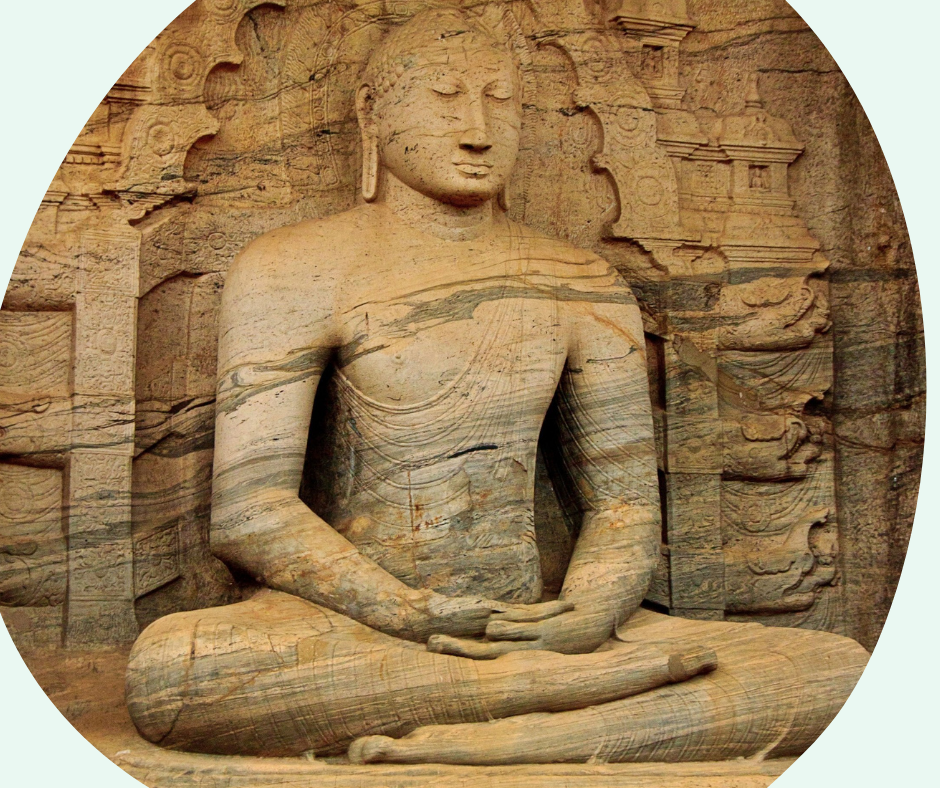
Gal Vihara
Gal Vihara is a rock temple renowned for its four magnificent Buddha statues carved from granite. These sculptures showcase exceptional artistry, spiritual serenity, and the remarkable craftsmanship of the Polonnaruwa period.
Polonnaruwa Vatadage
This circular relic house was built to protect sacred Buddhist relics. Vatadage features intricate stone carvings, beautifully carved moonstones, and ornate guardstones, exemplifying the artistic and religious sophistication of the era.
Lankatilaka Temple
Lankatilaka Temple is an ancient brick and stone structure housing a giant seated Buddha. Its Dravidian-style architecture and artistic details highlight the fusion of spirituality and medieval craftsmanship in Polonnaruwa.
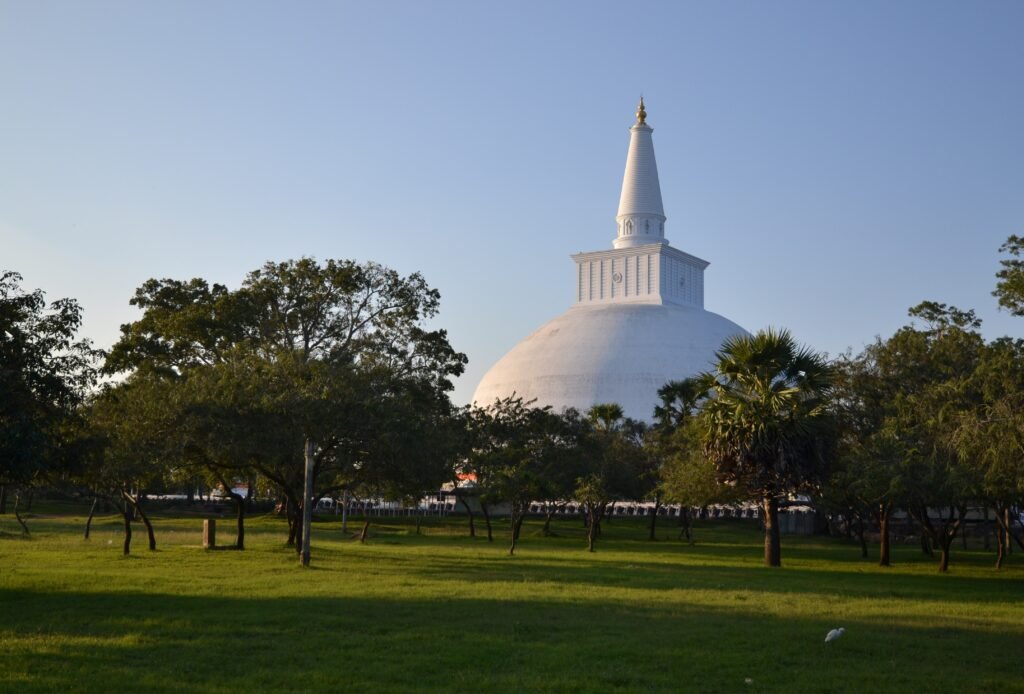
Rankot Vihara
Rankot Vihara is one of Sri Lanka’s largest stupas, reflecting the monumental Buddhist architecture of the time. Surrounded by ruins, it provides insight into ancient religious practices and impressive engineering techniques.
Parakrama Samudra
This vast ancient reservoir, built by King Parakramabahu, demonstrates advanced irrigation engineering. It is surrounded by scenic landscapes and remains a vital historical and cultural landmark in Polonnaruwa.